
Buyers read brick from the curb
A buyer forms an opinion about a chimney before they reach the front door. Mortar that has washed out of the joints, a white salt bloom down one face, a top course with a brick missing: these show up in the first drive past and again in every listing photo taken from the street. In Seal Beach, where the marine layer keeps masonry damp for much of the year, brick and mortar near the top of a stack wear out sooner than the rest of the house.
This post is for sellers deciding what masonry work to do before listing, what it costs, and how to keep it from turning into a bigger job than the sale needs.
What buyers' inspectors write up
The masonry items that come back on buyer reports again and again:
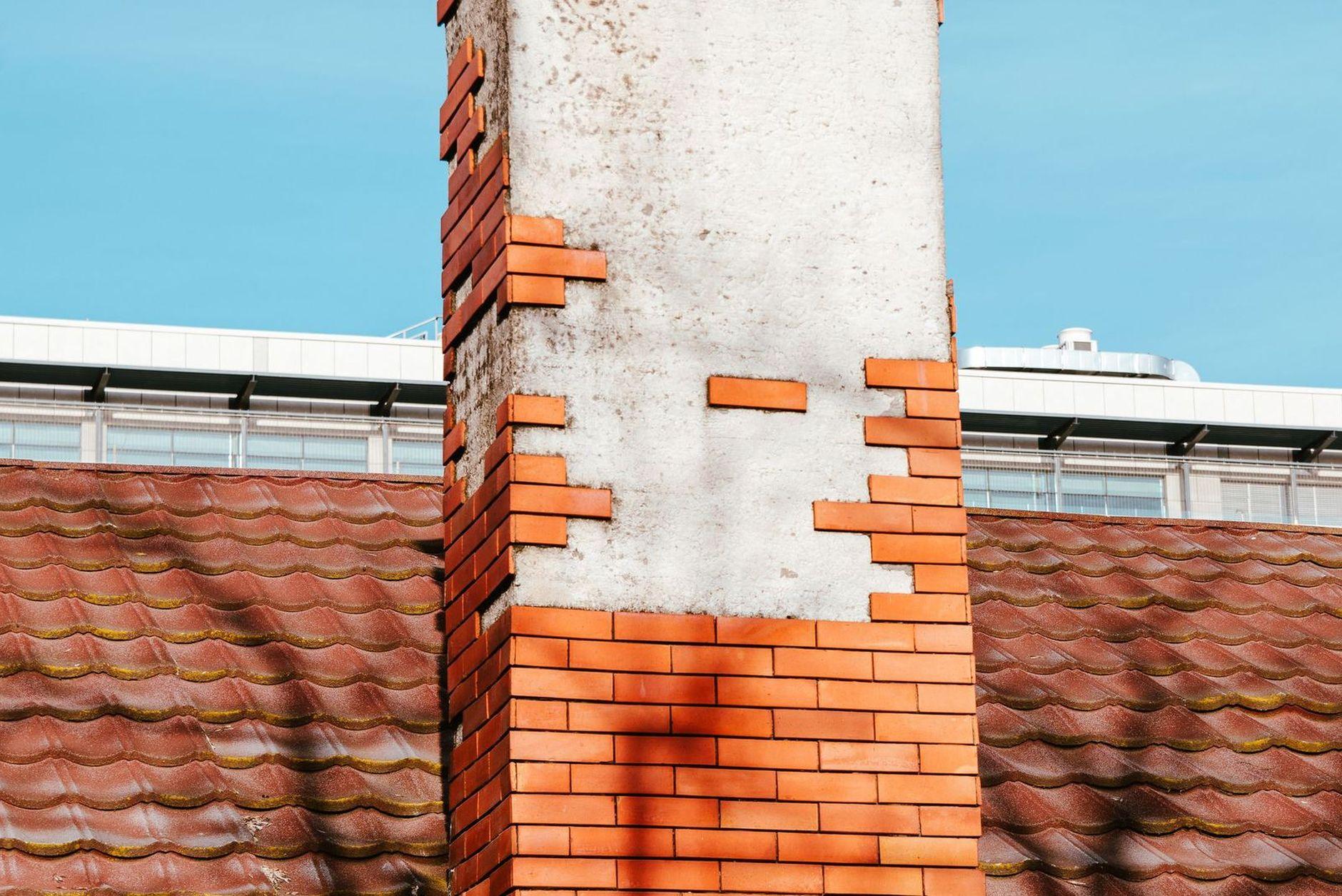
- Open joints near the top. Mortar erodes first where wind and rain hit hardest. Once a joint opens, water gets behind the brick face.
- Flaking brick faces. Water inside the brick swells and pushes the outer layer off. The technical word is spalling; the buyer's word is crumbling.
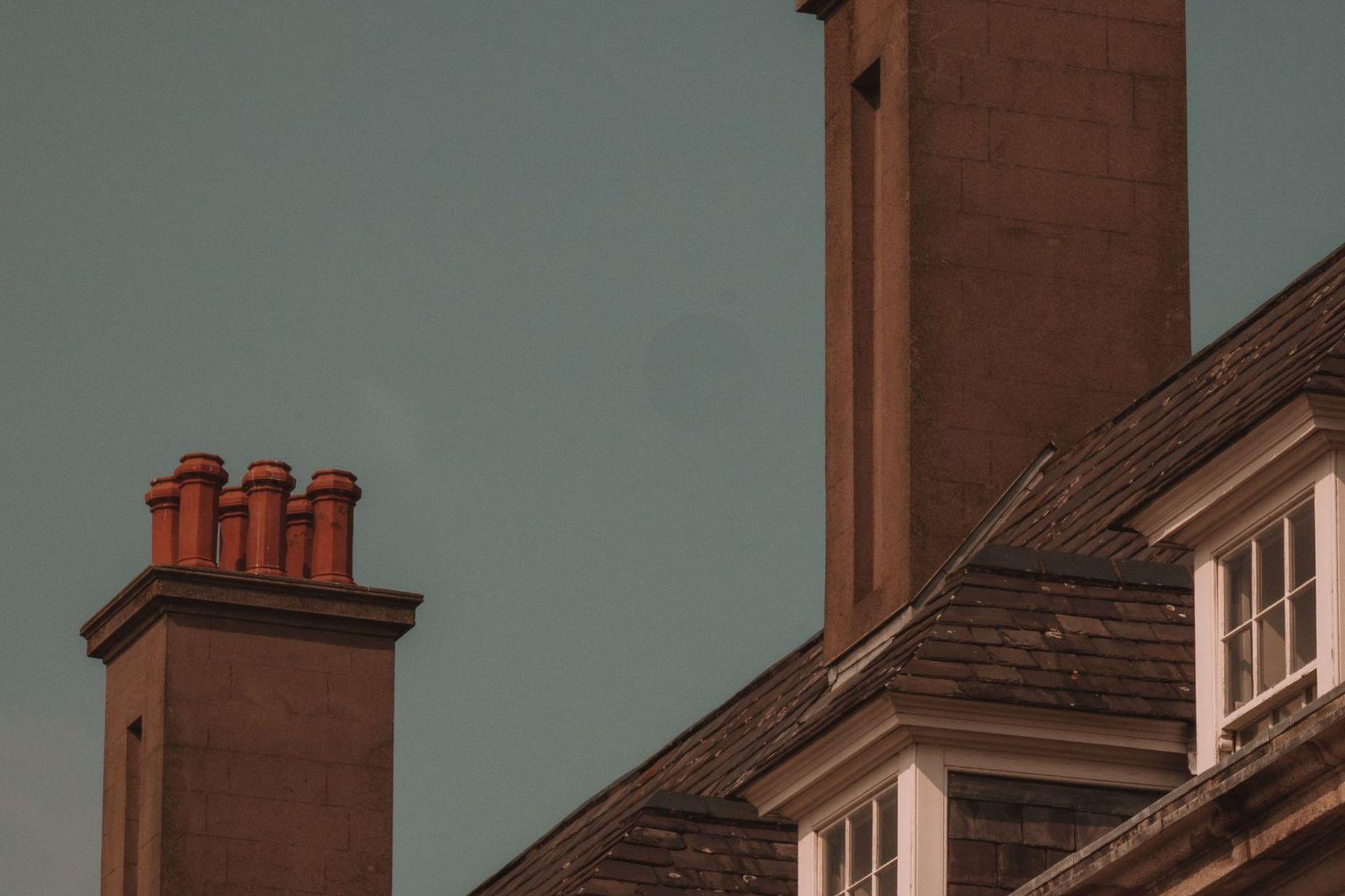
- A cracked crown. The concrete or mortar slab around the flue at the top. Cracks let water straight down beside the tile.
- Efflorescence. The white powder is salt carried out by water moving through the brick. On its own it is cosmetic. It is also proof of water.
- Lean or separation. A gap between the stack and the house wall, or a top section that is no longer plumb.
Every one of these is easier to price from your own report than to argue about from the buyer's.
Repair sizes, small to large
Masonry work on a chimney comes in roughly three sizes.
Repointing. Old mortar is cut back and new mortar packed in, matched in strength to the brick so the joint stays the weaker part. On a coastal chimney, the top few feet are often all that need it.
Crown work. A crown with fine cracks can be sealed. A broken crown is removed and a new one cast with an overhang so rain falls off the edge instead of down the face. See the crown repair page.
Partial rebuild. When the brick itself is loose, the top of the stack is taken down to where the masonry is sound and laid back up with new brick, mortar and crown. For older houses in Southern California this is also when we talk about quake bracing. Tall stacks of unreinforced brick are what falls first when the ground shakes hard, and a buyer from out of state may ask about it. Our seismic retrofit page covers bracing and rebuilding to the roofline in general terms.
A full rebuild from the ground is rare for a pre-sale job. If a report points that way, we usually help the seller price it as a credit rather than start it weeks before listing.
What decides the cost
Masonry has no flat price because no two stacks are the same job. The figure moves with:
- Height above the roof and whether we can work from ladders or need staging.
- How far down the damage reaches. Two courses of loose brick is one job; four feet is another.
- Brick matching. Older red brick sometimes has to be salvaged or sourced to look right.
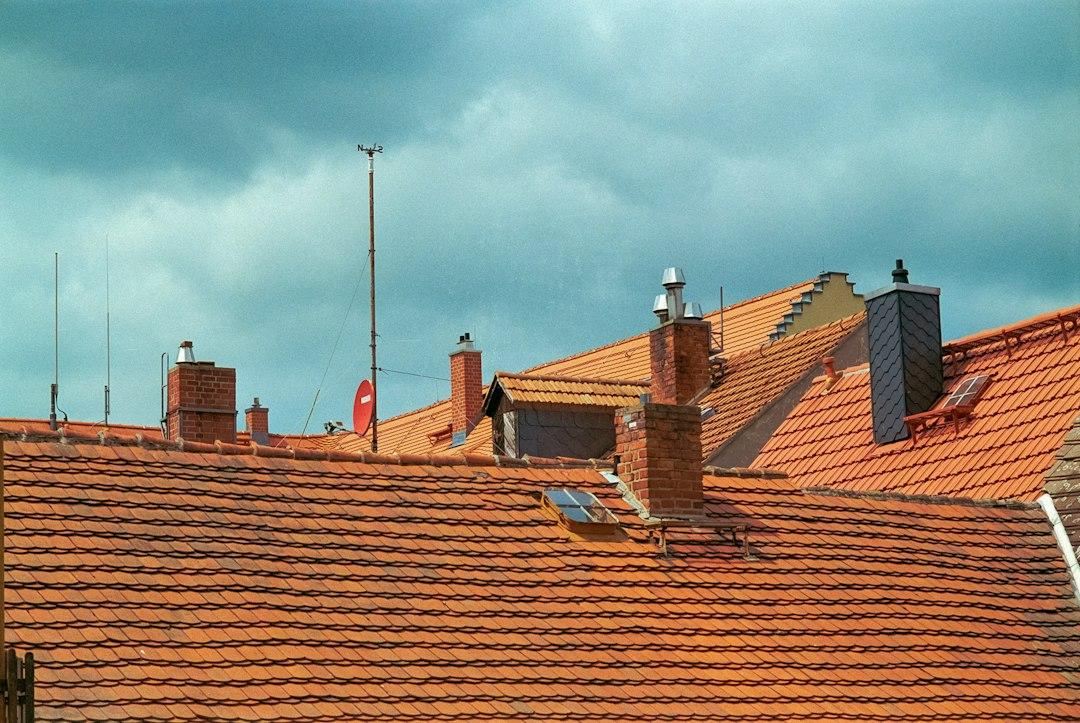
- Roof type. Tile roofs take more care to cross than shingle, and broken tiles are added to the scope.
- Other work riding along. Flashing that has to come off for the rebuild is replaced at the same time.
To get a written figure on your own chimney, say on the form whether you are selling and what you can see on the brick. We set up a visit, measure and send a priced scope.
Repairs that support the sale
A few habits make masonry work count in a sale:
- Match the color of new mortar to the old as closely as possible. A patchwork of grey joints looks like a patch.
- Fix the water source along with the brick. Repointing without a cap or a sound crown only buys a season.
- Keep the before and after photos and the invoice together. They go in the disclosure packet and answer the buyer's inspector before they ask.
- After masonry is sound, consider a breathable water repellent. On coastal brick it slows the next round of damage. See chimney waterproofing.
This week and later
If listing is a month or two out:
- This week: book the Level 2 camera inspection at $405 so the masonry and the flue get looked at together.
- Next: approve the repairs that show from the street.
- Later, or as a credit: deeper work that buyers cannot see and may want to choose themselves.
If the house is already listed and a buyer's report flagged masonry, the same order holds; the post on fixing, crediting or disclosing covers that decision.
Around Seal Beach
Brick chimneys turn up on older homes in Seal Beach and through neighboring Lakewood and Fountain Valley. The closer the house sits to the water, the more the top of the stack suffers from salt and constant damp. Inland, the bigger worry tends to be cracking from ground movement over the decades. Our masonry repair service handles both.
Questions about masonry before a sale
Will a buyer's inspector notice new mortar? Yes, and that is fine when it comes with an invoice. Fresh, tidy work with paperwork reads as maintenance.
Should I seal brick before listing to hide efflorescence? Not as a cover up. A sealer over wet brick traps the water, and the salt returns. Fix the water source first.
Can I paint the chimney? Paint over damaged brick peels quickly near the coast. Repair first, and use a masonry coating if you want a color change.
Talk to us
When you want the brick looked at with a sale in mind, get in touch through the contact page. Tell us the address and when you plan to list, and we will start with the inspection.
Read Your Own Chimney Report First
Calloway films the flue, checks the top of the chimney and labels every finding fix, disclose or leave, so a seller knows where things stand before a buyer does. We start from Seal Beach and reach Huntington Beach, Fountain Valley, Lakewood and the towns around them.