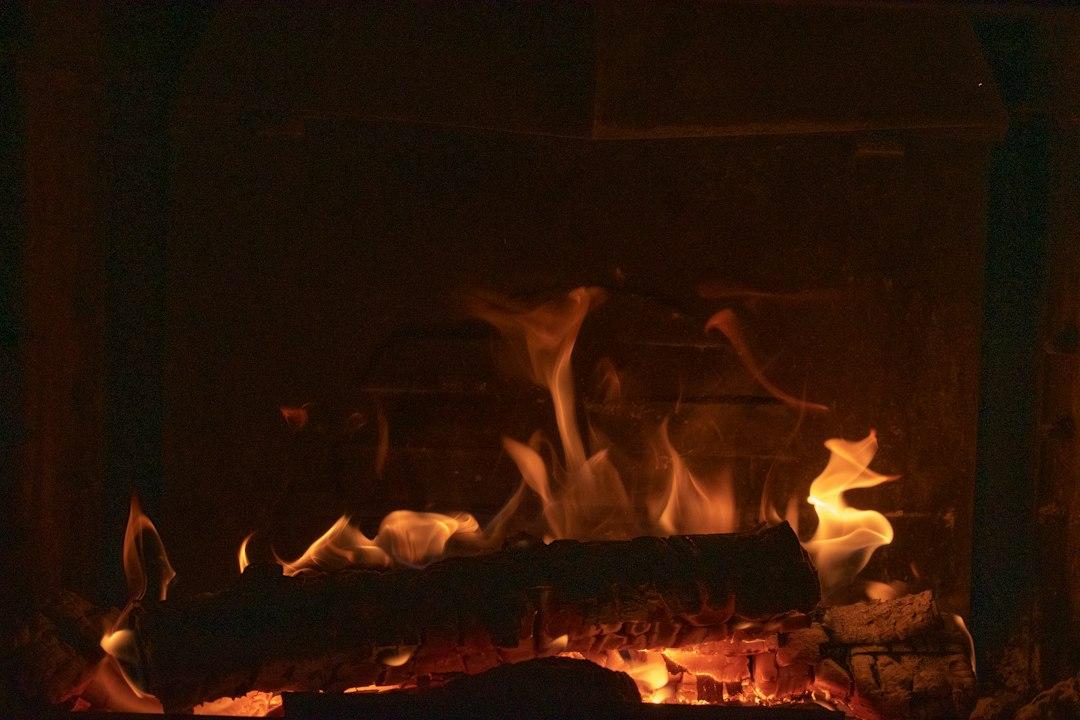
Listing photos start at the hearth
In most living rooms the fireplace is the wall every listing photo is framed around. Sellers in Seal Beach ask us the same thing every spring: is it worth spending on the fireplace before the house goes up, and if so, how much? The honest answer is that some fireplace work pays for itself in a sale and some does not, and the difference has more to do with what is behind the surround than with tile or paint.
This post covers the remodel choices we price for sellers, what each one costs, and which ones we tell people to skip.
Check what is behind the face first
A new surround on top of a cracked firebox is money spent twice. Before choosing finishes, a seller needs to know three things: whether the firebox is sound, whether the flue is sound, and whether the fireplace is masonry or a factory-built metal unit. A Level 2 camera inspection at $405 answers all three, and the buyer's inspector is going to ask the same questions later. Our post on inspecting before you list explains why we start there.
Factory-built units matter here because their surrounds carry clearance rules from the maker. Stone or tile that sits too close to the opening, or a wood mantel hung lower than the label allows, can turn a cosmetic upgrade into a finding on the buyer's report.
The four remodels sellers usually weigh
Refacing the existing surround. New tile, stone veneer, plaster or a painted finish over sound brick, with a new hearth slab if the old one is cracked. This is the remodel most likely to pay back in a sale because it changes the photo without touching the working parts.
A new mantel. A clean, simple shelf at a legal height often does more for a dated room than new stone. It is also one of the cheaper changes.
A gas insert. A sealed gas firebox slid into the masonry opening, with a liner up the old flue. Ours run $2,850 to $5,750 installed, depending on the size of the unit and the length of the liner. Buyers in coastal Orange County often prefer gas: no wood to store, no ash, and a switch on the wall. An insert also removes questions about a cracked flue, because the new liner carries the exhaust.
Adding a gas fireplace where there is none. A vented gas unit framed into a wall or a bump out, with the vent going out through the siding or the roof. That runs $4,600 to $9,250. For a sale, this rarely earns back what it costs, and we say so. It belongs to owners who are staying.
What we tell sellers to skip
- Painting brick that is wet, flaking or salt stained. The paint lifts within a season and looks worse in a buyer's walk through.
- Glass doors on a fireplace with a flue problem. They make the opening look ready to use when it is not.
- Expensive stone on a firebox that needs repair. Fix the firebox, then decide on finishes.
- Any remodel started after listing photos are taken. Dust and a half finished wall in a showing cost more than the remodel.
What sets the price of a facelift
Refacing and mantel work do not have a fixed price, because the size of the face, the material and what we find under the old surround all move the cost. A narrow brick face with a tile overlay is a small job. A floor to ceiling stone wall with a new raised hearth is not. On older houses, removing a surround sometimes uncovers gaps around the opening or wood framing too close to the firebox, and those get fixed before anything new goes up.
If you know roughly which look you want, write the room, the fireplace type and the finish you have in mind on the form and we will set up a visit to measure and send a written figure.
Timing it around a listing
The order matters more than the speed:
1. Camera inspection first, so you know the fireplace is worth dressing up. 2. Any repair the report calls for: firebox joints, damper, flue. 3. The remodel itself. 4. Photos.
Stone and tile need curing time before a fire, and a gas insert needs its gas line and its final check before anyone lights it. Sellers who plan these in order rarely feel rushed. Sellers who start with tile samples often end up pulling the new face back off to reach a repair.
A fireplace a buyer will use
The buyer's inspector will look past the new tile. What earns trust is a fireplace that looks good and also comes with a clean report: a sound flue, a damper that works, clearances that meet the label or the code. That combination photographs well and survives the inspection period without a surprise repair request.
The fireplace remodel service page shows the materials we work in, and fireplace inserts covers the gas and wood units we fit. If the brick around the opening is the problem rather than the finish, our masonry repair team handles that first.
Questions sellers ask about remodels
Will a gas insert raise my sale price? We do not promise that, and nobody honest can. What we see is that a working gas fireplace removes a question from the buyer's list, and fewer open questions tend to mean a smoother inspection period.
Can I just close the fireplace off? Yes. Some sellers seal the opening and disclose it as decorative. We can do that neatly and note it in writing so the buyer knows it was done on purpose.
Do I need a permit? A gas line, a new vent or structural changes usually do. Facing and mantel work often do not. We tell you which applies before work starts.
Next move
If you are weighing a facelift against leaving the fireplace alone, send us a note through the contact page with the address and your listing plans. We will start with what is behind the surround and work forward from there.
Read Your Own Chimney Report First
Calloway films the flue, checks the top of the chimney and labels every finding fix, disclose or leave, so a seller knows where things stand before a buyer does. We start from Seal Beach and reach Huntington Beach, Fountain Valley, Lakewood and the towns around them.