The report you want to read first
Sooner or later a buyer's inspector will kneel at your hearth with a flashlight. The real choice for a seller is when you hear about the chimney: from your own report, weeks before the sign goes up, or from a repair request halfway through escrow. In Seal Beach, where plenty of houses sit close enough to the water to breathe marine air every night, the top of a chimney ages faster than owners expect, and most of that wear cannot be seen from the driveway.
Calloway Chimney Works sets up the visit for the seller, before listing. The goal is simple: by the time a buyer asks about the fireplace, the chimney is a known item with a cost beside it, not an open question that can stall a deal.
Why the camera level and not the quick one
NFPA 211 is the fire safety standard most chimney work in California is measured against. It describes three depths of inspection. The shallowest is a careful look at whatever can be reached without moving anything. The deepest means opening walls or masonry and is seldom needed. In the middle sits Level 2, the depth that matters for a sale: our camera rides up the inside of every flue, and a technician also climbs onto the roof and into the attic space the chimney passes through.
The standard names a change of ownership as a reason for that middle depth. A buyer's agent who knows the rules will ask for it anyway, so ordering it yourself costs nothing extra in the long run and puts the findings in your hands first.
Here is what the seller learns that a glance from the room cannot show:
- Whether the clay tiles lining the flue are whole, split, or shifted at their joints.
- Whether the mortar cap on top of the brick sheds rain or drinks it.
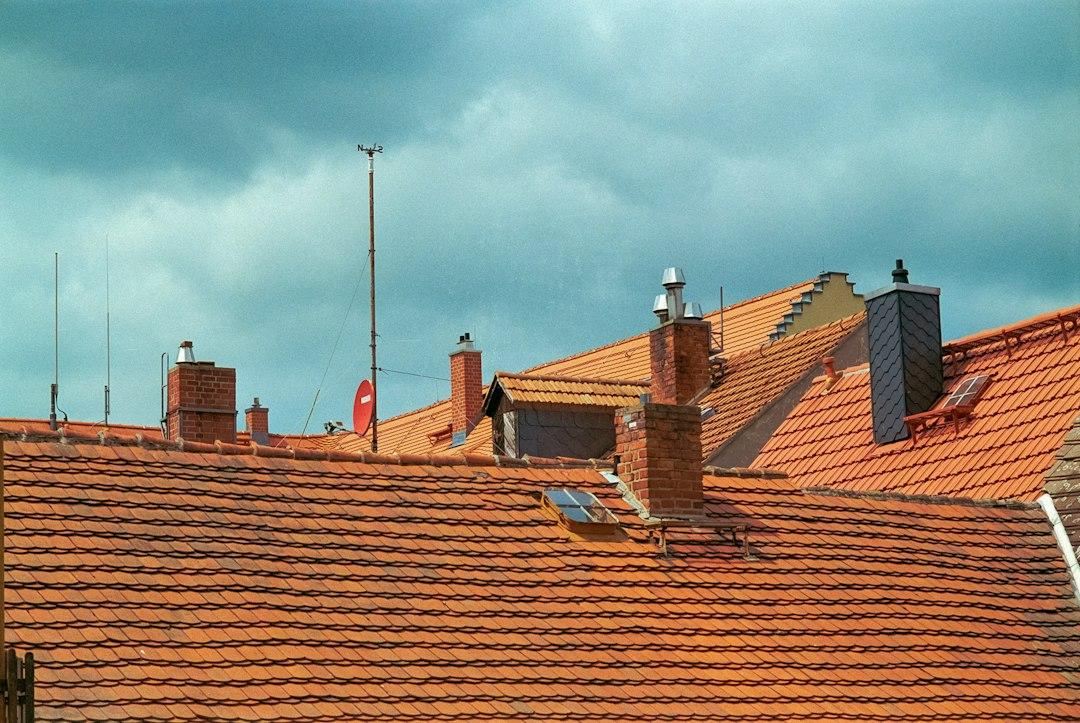
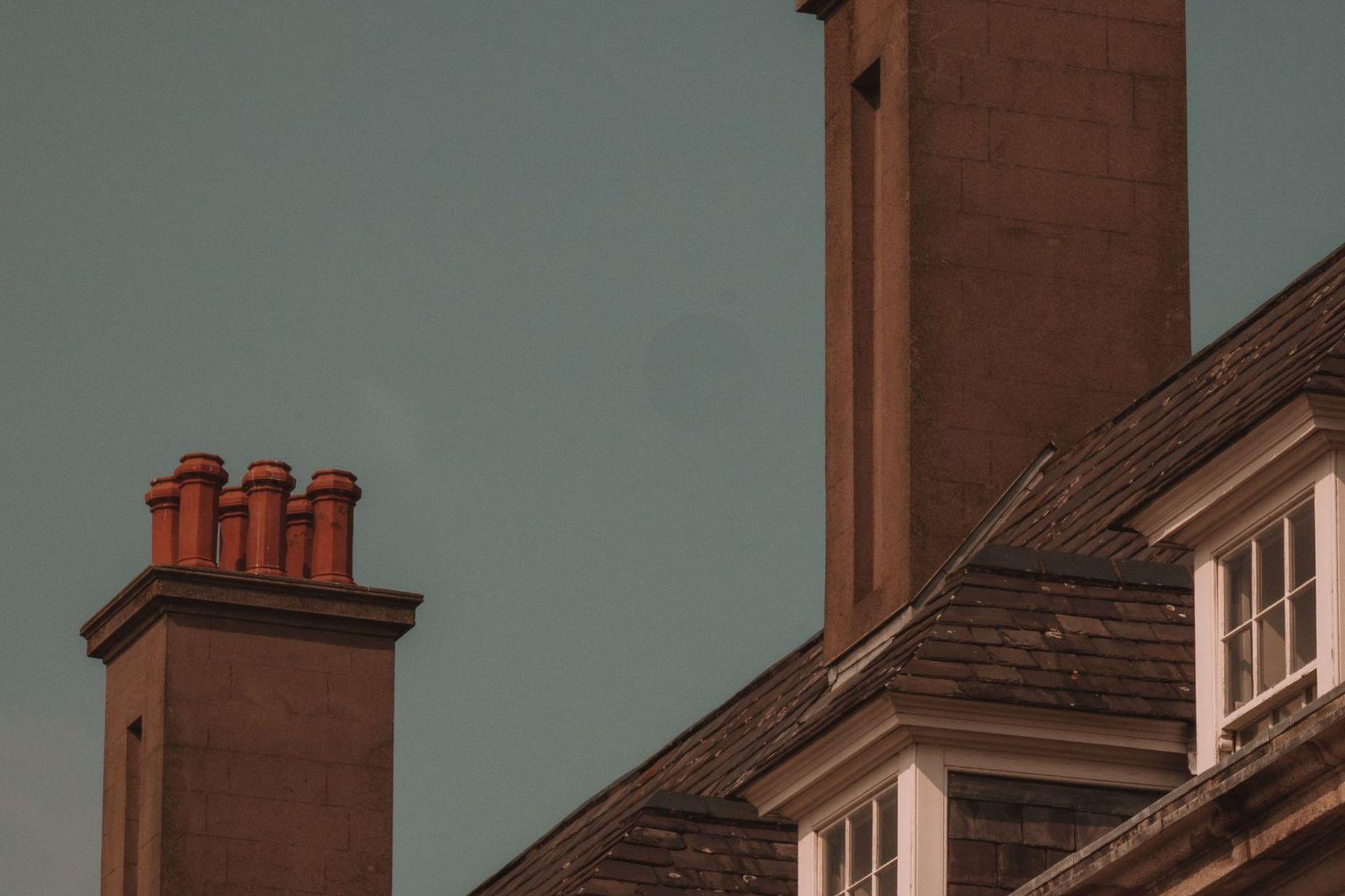
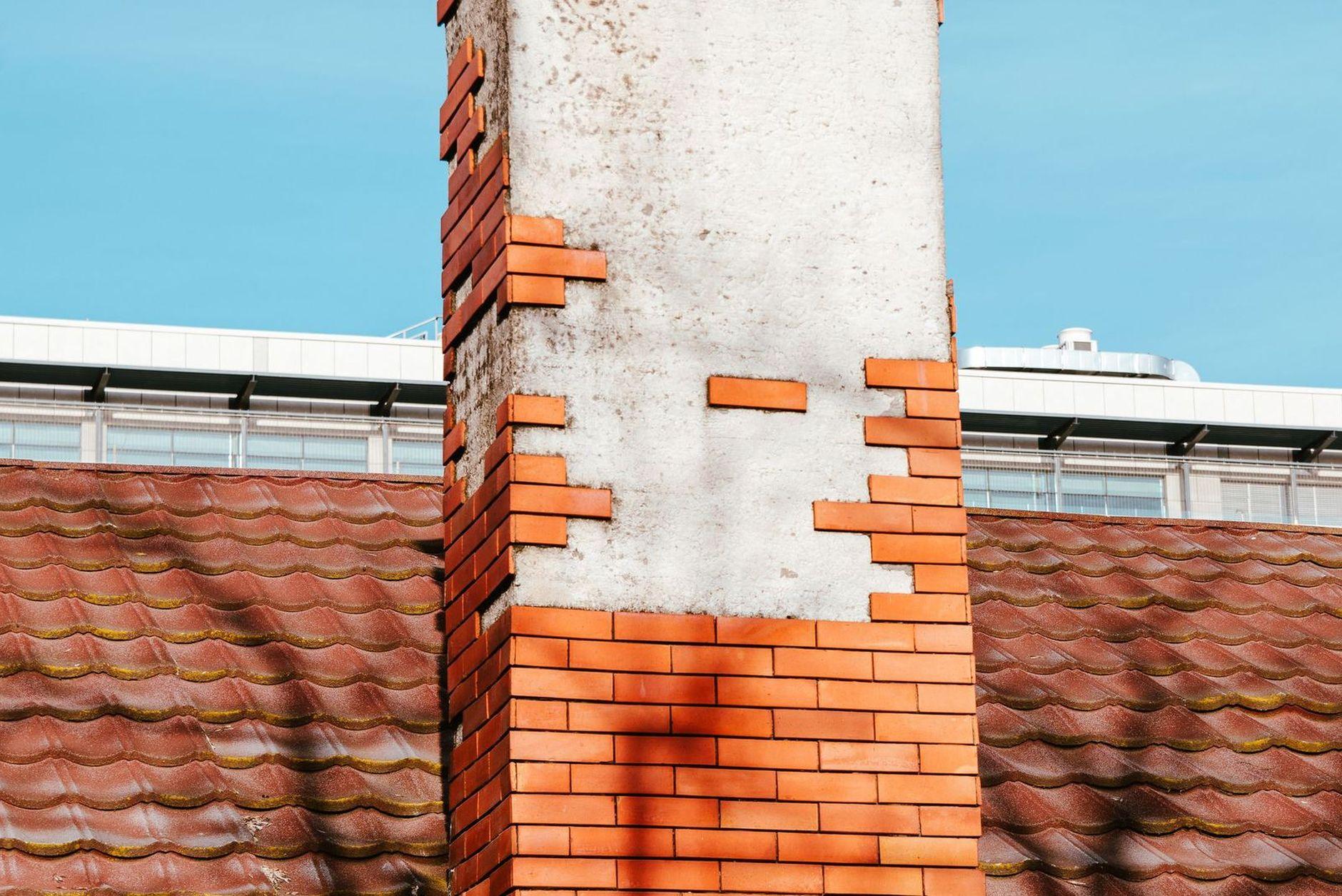
- Whether joints in the brick above the roofline are open, flaking or soft to a scratch.
- Whether the metal where the chimney meets the roof is sealed down or lifting.
- Whether the damper opens and closes fully and the firebox walls are fit for a fire.
The fee, and what lands in your inbox
Our Level 2 inspection with a video scan is $405. A Level 1 visual check is $170, and it suits an owner who wants a yearly look at a fireplace nothing has happened to, but for a house about to change hands we steer sellers to the camera visit. A report that stops at the firebox tends to get repeated by the buyer's side.
After the visit you receive a written report with photos and still frames from the camera. Every finding carries one of three tags: leave as is, keep an eye on, or repair before listing. The report goes to whoever booked the visit. If that is you, the copy is yours to place in the disclosure packet now, hold until repairs are done, or hand to your listing agent. Name your agent when you book and they receive the same file.
What decides the cost of the next step
The inspection has a fixed price. What follows depends on the camera, and it usually falls into one of four groups:
- Nothing of note. The report goes into the disclosure packet and the chimney stops being a topic.
- Small parts. A missing or rusted cap, a sticky damper, a gap in a mortar joint at the firebox. A cap is quoted after we measure, and the price depends on the flue size, the metal and how many flues share the top.
- Masonry above the roof. Repointing, a new crown or a partial rebuild. The cost follows the height of the stack, how far down the damage goes and how hard the roof is to work from, so we measure first and give you the figure in writing.
- Flue damage. Cracked tiles mean relining, or retiring the fireplace and saying so in the disclosures. Both get a written price.
If the listing month is already on your calendar, put the address and that month on the form and we will call to set up the Level 2.
What to do this week, what can wait
A few things are worth doing now, while there is slack in the schedule:
- Book the inspection before you book the photographer. Repairs done after listing photos means the house looks finished while the chimney is not.
- Pull together whatever chimney paperwork exists: an old sweep receipt, a permit card for a gas line, the manual for a factory-built fireplace.
- Stop using the fireplace until after the camera visit, so the flue is not freshly coated when we look.
Other things can sit until the report is in hand. Repainting a mantel, regrouting a hearth or replacing a screen is wasted money if the brick above the roof needs work that will scuff the room anyway. Cosmetic choices for the fireplace are their own decision, covered in our post on remodeling a fireplace before a sale.
Seal Beach chimneys in particular
Salt in the air is hard on steel. Caps, damper plates and the sheet metal on top of a wood chase rust faster near the coast than they do a few miles inland, and a rusted chase top lets water straight onto the framing below. Crowns on older brick chimneys go through wet and dry cycles all winter, and hairline cracks widen until water reaches the flue tile.
Many homes in and around Seal Beach also have a factory-built fireplace with a metal flue boxed in by siding or stucco. Those get the same Level 2, with attention on the chase top, the metal flue sections and the manufacturer's label inside the firebox. If you are in Huntington Beach or Lakewood, the visit is the same.
For the details of how we run a sale visit, see the home sale chimney inspection page and the Level 2 inspection service.
Questions sellers ask us
Will my report scare buyers off? A finding with a written price beside it rarely does. What spooks buyers is a vague note from their own inspector suggesting a specialist, with no number attached.
Do I have to fix everything on the list? No. California sellers disclose what they know; fixing is a choice. The post on fixing, crediting or disclosing walks through how sellers weigh it.
What if I already have a report from last year? If the fireplace has been used since or there has been a strong quake, a new camera visit is the safer document for a sale. If it sat unused and nothing has happened, tell us and we will say whether the old report still holds up.
Getting on the calendar
The fastest way to start is to reach us through the contact page with the address and the rough listing plan. We will confirm the inspection level, the fee and who should get a copy of the report.
Read Your Own Chimney Report First
Calloway films the flue, checks the top of the chimney and labels every finding fix, disclose or leave, so a seller knows where things stand before a buyer does. We start from Seal Beach and reach Huntington Beach, Fountain Valley, Lakewood and the towns around them.