
A stain with a deadline attached
Water marks near a fireplace are a small problem in an ordinary year. During escrow they become a large one. A buyer who spots a brown patch on the ceiling at the chimney, or bubbled paint above the mantel, starts asking how long it has been leaking and what the water has reached. In Seal Beach, where winter storms come in off the ocean with wind behind them, rain hits a chimney sideways as often as from above, and leaks that stayed quiet for years show up the first wet week after a house goes on the market.
This post is for sellers and buyers who have a leak at the chimney and a closing date on the calendar.
Where chimney water usually comes from
A chimney has several weak points, and a leak often has more than one source. The ones we find most often on coastal Orange County houses:
- The top of the flue. With no cap, rain falls straight into the firebox. Wind driven rain can also get under a cap whose skirt is too short.
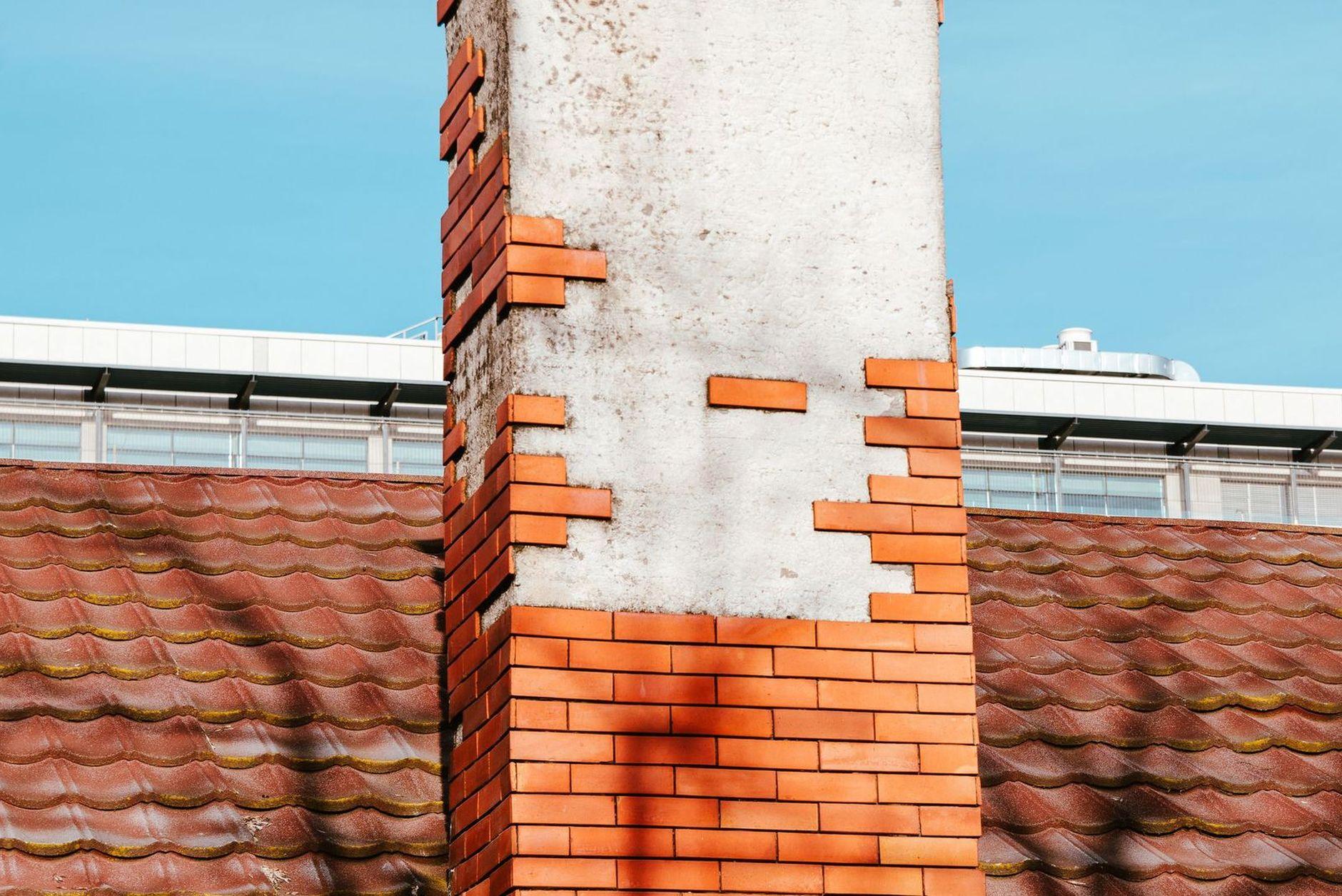
- The crown. A cracked mortar top lets water soak down beside the flue tile and out through the brick lower down.
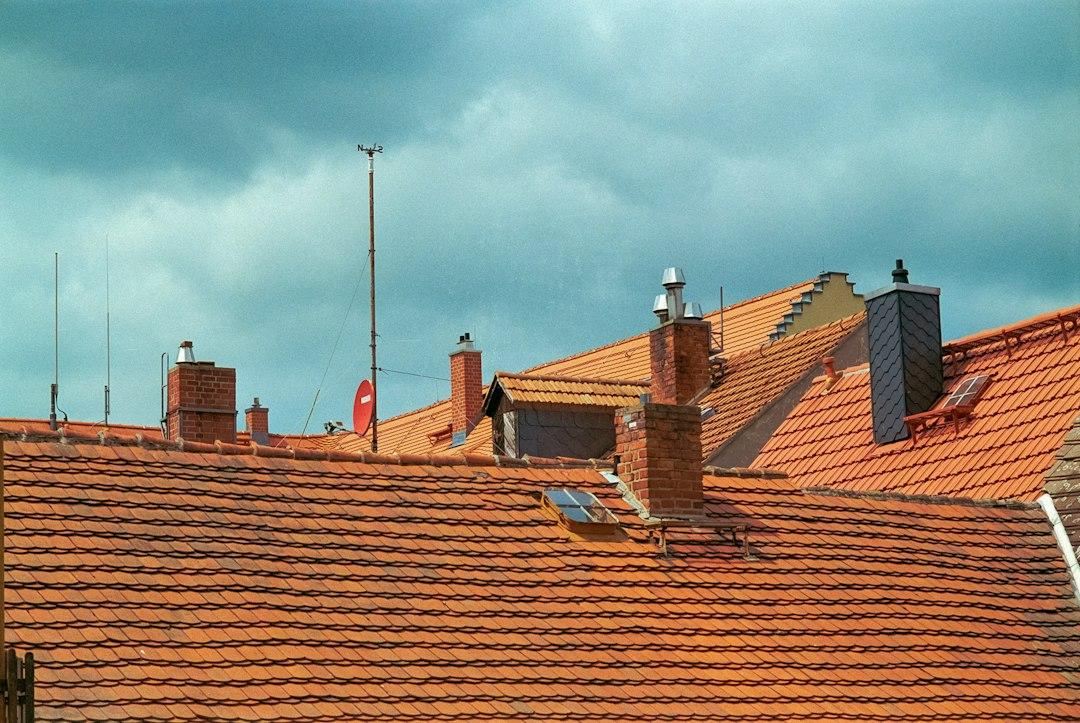
- The roof metal. The pieces sealing the joint between brick and roof lift, rust or lose their sealant. This is the most common leak on older roofs.
- The brick itself. Open joints and porous brick wick water through the wall when storms last more than a day.
- Behind a wide stack. On a chimney wider than about two and a half feet, water and debris collect on the uphill side and back up under the shingles.
- A metal chase. On factory-built fireplaces, a rusted chase top lets water into the wood box around the flue.
The stain inside rarely sits under the leak. Water travels along framing before it shows, so a leak at the back of the stack can appear as a stain in front of it.
What the visit involves
We start inside, at the stain, then go to the roof. On the roof we check each source above in turn and look at the flue with a camera if the crown or tile is in question. Sometimes a water test settles it: we wet one part of the chimney at a time and check inside for the first sign of moisture. The written result names the source or sources, the repair for each and the price.
For a sale, a Level 2 camera inspection at $405 often makes sense alongside the leak work, because the buyer will want to know whether water has damaged the flue tile, not just the ceiling.
Prices for the usual fixes
These are our prices for the repairs leaks call for most. The cap is quoted on site. The other rows are ranges because chimney size, roof pitch and materials vary.
| Fix | Price |
|---|---|
| Finding the leak and sealing it | $575 to $3,450 |
| Uphill cricket so water parts around the brick | $460 to $1,040 |
| Diverter with all new roof metal around the chimney | $690 to $1,700 |
| Covering an open flue with a new cap | quoted on site |
Crown rebuilding, chase top replacement and masonry repair are measured first and then priced in writing, since they depend on the size of the top and how much brick is involved.
What decides the final number
Most leak bills land somewhere in those ranges. What pushes them up or down:
- How many sources there are. One failed seal is quick. Flashing, crown and cap all failing together is a bigger job.
- The roof. Clay tile and steep pitches need more care and more time than composition shingle on a low slope.
- Damage behind the wall. Wet framing or insulation has to dry or be replaced before the chimney is closed back up.
- Whether the house is occupied. An empty house during escrow is easier to work in.
If your closing is set and the leak is not, write where the stain is and when it shows up on the form and we will call to arrange the visit.
Seller or buyer, the paperwork is the point
For a seller, a leak found and fixed before listing is a repair invoice and a dry ceiling. The same leak found by the buyer becomes a negotiation. If the repair cannot be done before the closing, a written price from us lets the two sides agree on a credit without guessing.
For a buyer, a stain noted on a general report is a reason to ask for a chimney specialist during the contingency period. Our written findings name the source, the fix and the price, which gives your agent something solid to put in a request.
Either way, the report and the invoice go to whoever booked, and to anyone they name when booking. Agents often ask us to copy the other side once the client approves.
After the fix
When a leak repair is done, we send photos of the finished work and a short note of what was replaced. That note goes in the disclosure packet or the escrow file. Inside, the stain will still be there until the ceiling is dried and repainted; we suggest leaving it until a heavy rain has passed so everyone can see it stayed dry.
The chimney leak repair page, the flashing repair page and the chase cover page cover each repair in more depth. Our up to code repairs page lists the other fixes a Level 2 can turn up.
Common questions
Can a leak be fixed in the rain? Some temporary sealing can. Mortar and crown work need dry days, so permanent repairs wait for weather.
Will roof work void my roof's coverage? Ask your roofer what their terms say about work at the chimney. We replace roof material we disturb with matching pieces and note it on the invoice.
Is a stain a deal breaker? Rarely, once it has a cause, a fix and a price.
Start here
If water is showing at the chimney and a sale is in motion, contact us through the site with the address and the stage of the deal. We will ask where the water shows and set up the visit.
Read Your Own Chimney Report First
Calloway films the flue, checks the top of the chimney and labels every finding fix, disclose or leave, so a seller knows where things stand before a buyer does. We start from Seal Beach and reach Huntington Beach, Fountain Valley, Lakewood and the towns around them.